Bali Panchakarma Retreat

Bali Panchakarma Guide — an independent booking guideUbud · Gianyar · Sukawati

Discover Bali Panchakarma Retreats

Explore authentic panchakarma wellness retreats in Bali's serene locations. Connect directly with specialists for a rejuvenating experience.

Start your journey Learn more

In short: Bali Panchakarma offers a curated guide to authentic wellness retreats in Bali. We focus on traditional panchakarma therapies offered in serene locations like Ubud and Gianyar, providing a rejuvenating experience rooted in Balinese culture. Connect with specialists for personalized guidance on your wellness journey.

What are you seeking?

Tell us your wellness goals and we'll guide you to the right retreat.

Discover the transformative experience of a “bali panchakarma retreat” in the heart of Bali’s lush landscapes. Offering authentic Ayurvedic detoxification programs, these retreats combine traditional therapies with the serene beauty of Bali, providing a holistic approach to wellness and rejuvenation.

In the tropical paradise of Bali, the allure of Panchakarma retreats is undeniable. These retreats cater to those seeking a profound reset, offering an authentic Ayurvedic detoxification experience amidst the island’s serene surroundings. For both seasoned wellness enthusiasts and newcomers to Ayurvedic practices, Bali’s Panchakarma retreats promise a journey of healing and rejuvenation grounded in centuries-old traditions.

Understanding Panchakarma: The Essence of Ayurvedic Detoxification

Panchakarma is an ancient Ayurvedic detoxification protocol that includes five core therapeutic actions: Vamana (emesis), Virechana (purgation), Basti (enema), Nasya (nasal administration), and Raktamokshana (bloodletting). These treatments aim to cleanse the body of accumulated toxins, restore balance, and promote overall well-being. In Bali, several wellness centres offer Panchakarma programs as part of their multi-day retreats. These retreats are designed to provide a structured and supportive environment for detoxification, often requiring a minimum stay of 3–5 nights to achieve significant results. The focus is on holistic healing, integrating traditional Ayurvedic practices with modern wellness approaches to cater to the diverse needs of participants.

Prime Locations for Panchakarma Retreats in Bali

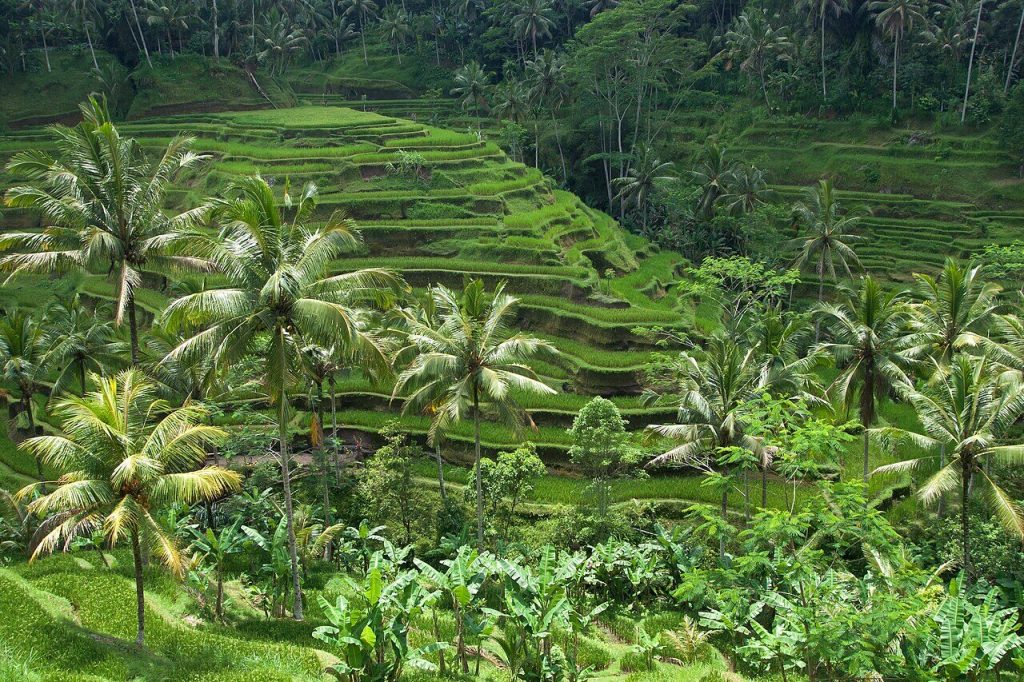
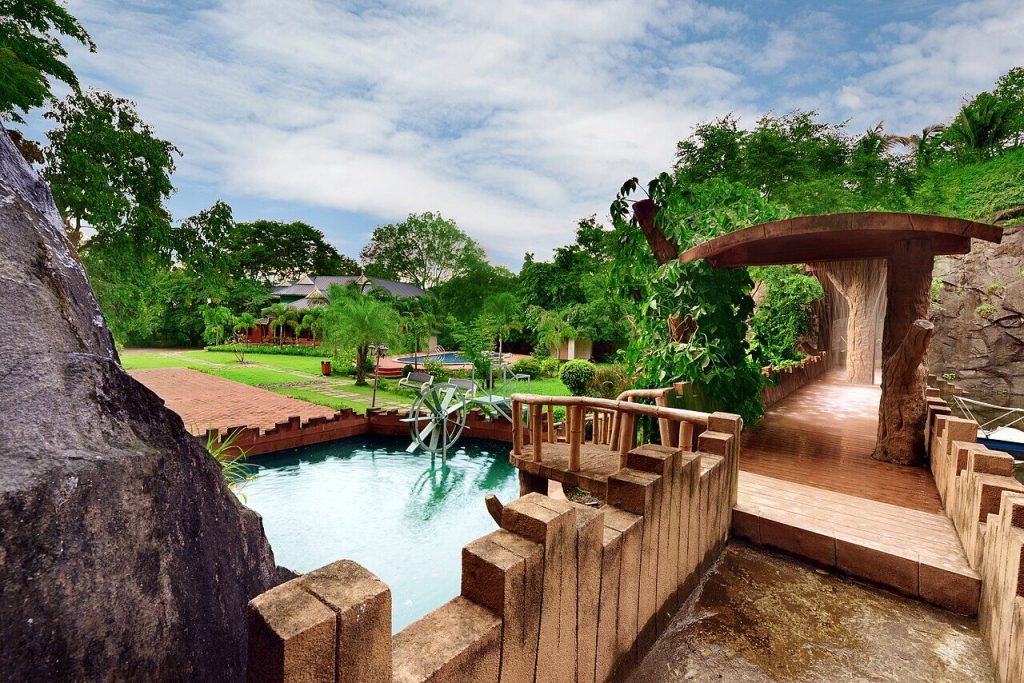
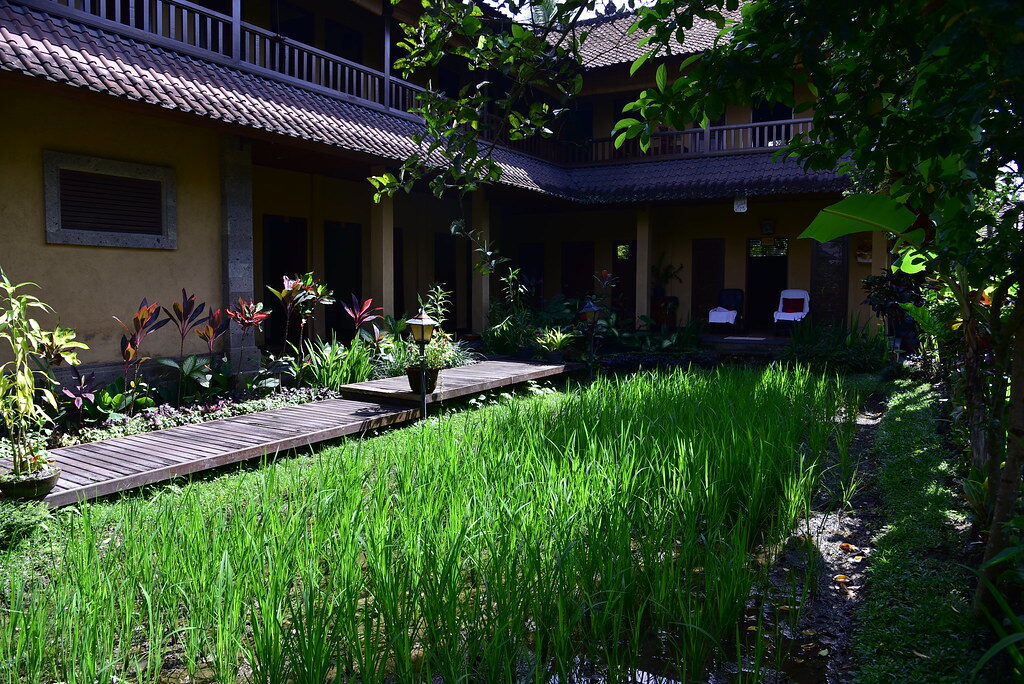
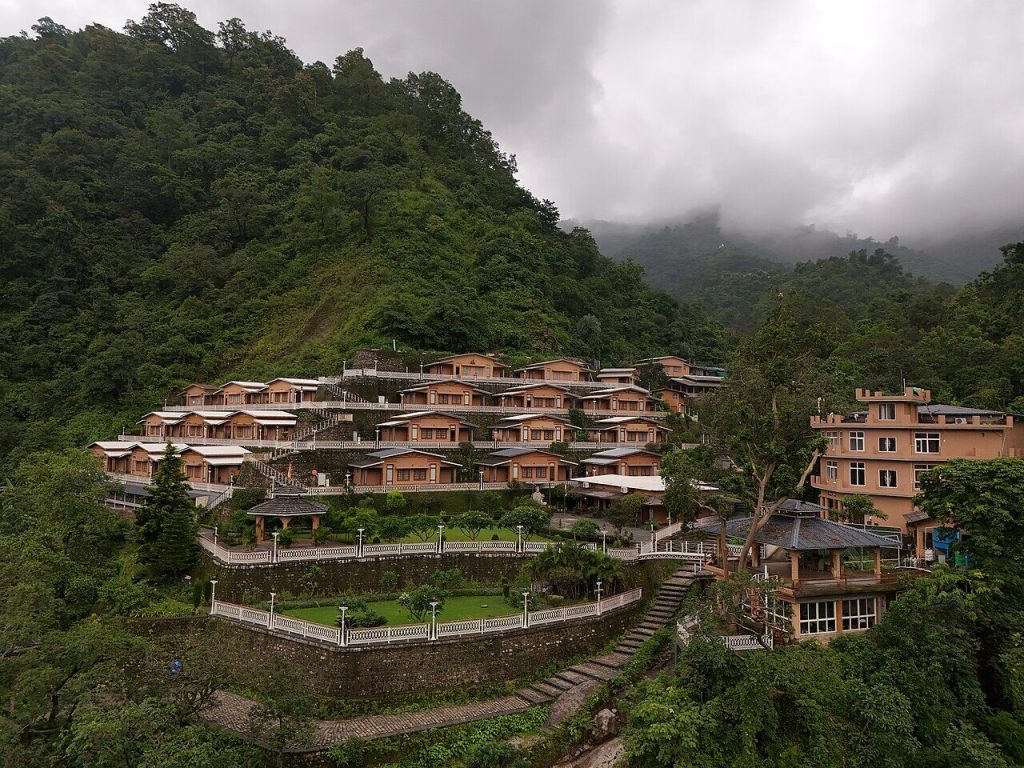
Ubud and Gianyar Regency are the epicentres of wellness retreats in Bali. Known for their rich spiritual and healing traditions, these areas offer a tranquil setting for Panchakarma retreats. Facilities like COMO Shambhala Estate and Fivelements Retreat Bali are situated in lush, natural environments, often near the Ayung River or within jungle settings. These locations not only provide a serene backdrop for healing but also enhance the therapeutic experience by connecting participants with nature. The proximity to Ubud allows easy access to cultural sites and local attractions, making it convenient for guests to explore the artistic and spiritual heart of Bali during their stay.

Luxury and Mid-Range Options: Tailored Experiences for Every Budget

Bali offers a range of Panchakarma retreats catering to different budgets and preferences. High-end retreats like COMO Shambhala Estate provide luxury accommodations and all-inclusive packages that can range from several hundred to over a thousand USD per night. These packages typically include personal wellness consultations, tailored treatments, and nutritious cuisine. For those seeking a more budget-friendly option, mid-range retreats offer packages from about USD 800–1,500 for 7 days and USD 1,500–3,000 for 14 days. These retreats provide authentic Ayurvedic experiences with comfortable accommodations and a focus on holistic healing.

The Role of Authentic Ayurvedic Consultations and Treatments

Many Panchakarma retreats in Bali emphasize the importance of authentic Ayurvedic doctor consultations. These consultations are integral to tailoring the detoxification program to individual needs, ensuring that each participant receives the most effective treatments. Daily treatments often include massages, herbal therapies, and dietary adjustments designed to support the body’s natural detoxification processes. The integration of Balinese spa therapies, such as massages and flower baths, further enhances the healing experience by combining local and Indian traditions.

Immersive Wellness Experiences: Beyond Detoxification

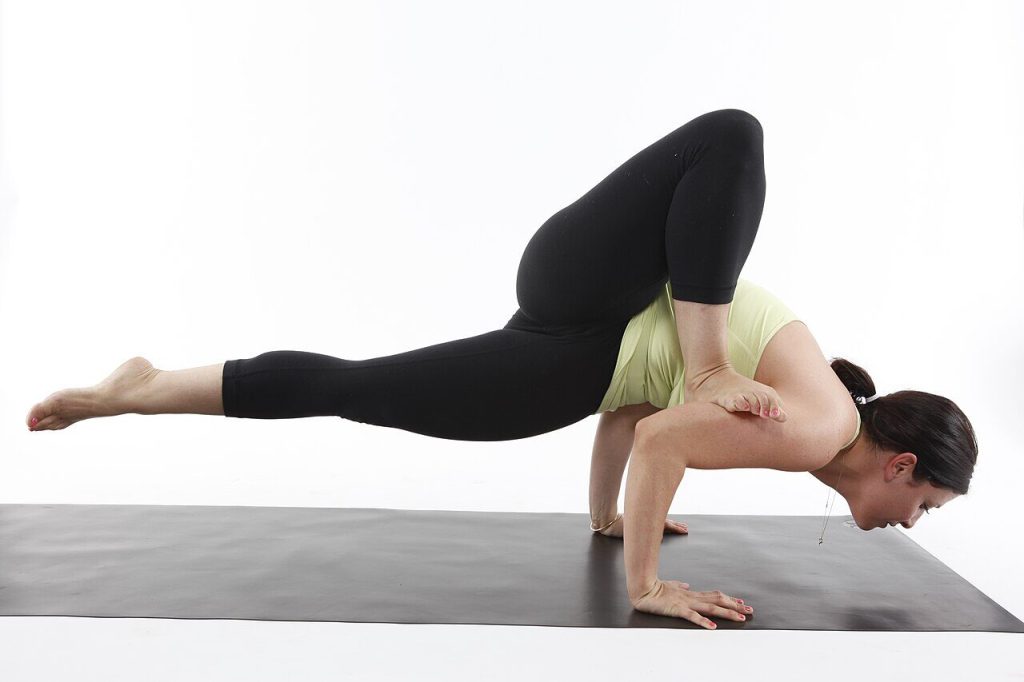
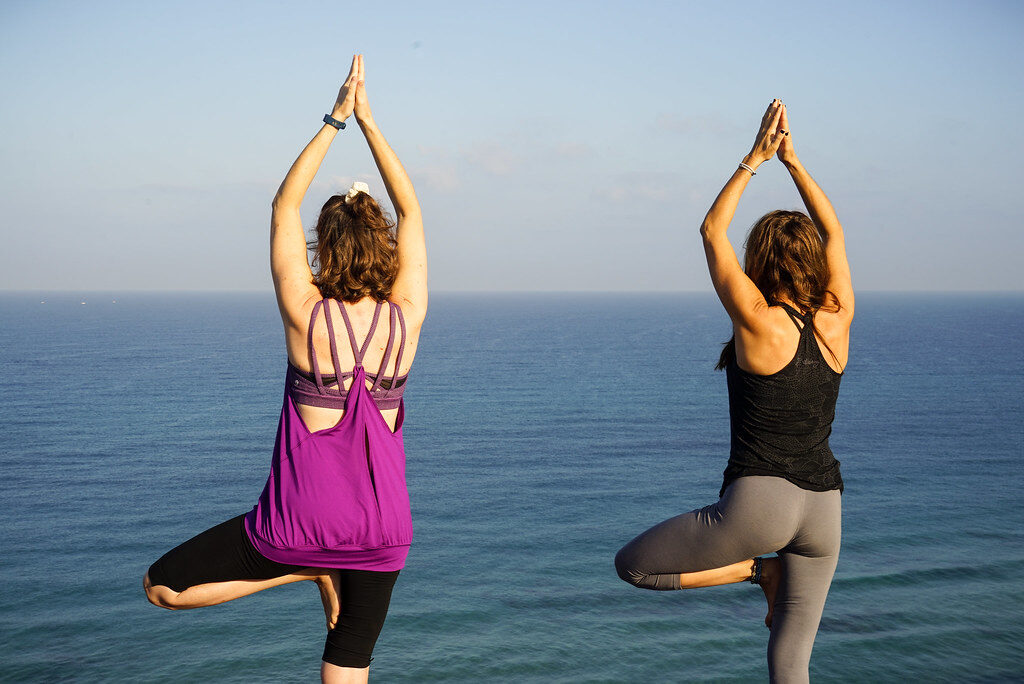
Retreat schedules in Bali typically offer more than just detoxification. Participants can engage in daily yoga classes, meditation sessions, and holistic therapies. These activities are designed to complement the detoxification process, promoting mental clarity and emotional balance. Additionally, retreats often include workshops and excursions, allowing guests to explore Bali’s cultural and natural wonders. The cuisine offered is usually vegan, vegetarian, or health-focused, using local organic ingredients to support the body’s healing and rejuvenation.

Practical Considerations: Visa, Climate, and Travel Arrangements

Travelling to Bali for a Panchakarma retreat is straightforward, with most nationalities eligible for a Visa on Arrival (VoA) or e-VOA, valid for 30 days and extendable once. The tropical climate features a dry season from April to October, ideal for outdoor activities and retreats. The rainy season runs from November to March, but retreats operate year-round. Peak tourism periods are July-August and late December to early January, so booking in advance is recommended. Most retreats offer airport transfer services from Ngurah Rai International Airport, ensuring a seamless arrival experience for guests.

Choosing the Right Retreat: Factors to Consider

When selecting a Panchakarma retreat in Bali, consider factors such as program duration, treatment intensity, and accommodation level. Verify the retreat’s credentials, including practitioner qualifications and health licensing compliance. Review guest testimonials and independent reviews to gauge the quality of services and overall experience. For further guidance, explore our guides and Bali Ayurvedic Detox page to find the retreat that best suits your needs.

Integrating Ayurveda into Daily Life Post-Retreat

The journey doesn’t end when your Panchakarma retreat concludes; it marks the beginning of a new lifestyle. Many retreats provide guidance on how to integrate Ayurvedic principles into daily routines to maintain the benefits achieved. This may include dietary recommendations, herbal supplements, and lifestyle adjustments that align with Ayurvedic teachings. Continued practice of yoga and meditation is encouraged to sustain mental clarity and emotional balance. Participants often leave with a personalized plan that helps in making mindful choices, ensuring that the positive effects of the retreat are long-lasting.

Understanding the Benefits and Limitations of Panchakarma

Panchakarma offers numerous benefits including improved digestion, enhanced immunity, and increased energy levels. It can also provide mental clarity and emotional resilience, supporting a balanced state of mind. However, it is important to recognize that Panchakarma is not a one-size-fits-all solution. Individuals with certain health conditions should consult healthcare professionals before undertaking such treatments. While Panchakarma can aid in detoxification and rejuvenation, it should be viewed as a complementary therapy, and not a replacement for conventional medical treatments.

The Importance of Dietary Practices During Panchakarma

Diet plays a crucial role in the Panchakarma process, as it supports the body’s natural detoxification and healing mechanisms. During a retreat, participants are often provided with meals that are specifically tailored to their dosha, or body constitution, according to Ayurvedic principles. These meals typically consist of simple, easily digestible foods such as kitchari, a traditional Ayurvedic dish made of rice and lentils. The diet is designed to be light yet nourishing, aiding in the cleansing process. Participants are encouraged to avoid processed foods, caffeine, and alcohol to allow the body to focus on detoxification. The emphasis on mindful eating helps participants develop a deeper connection with their food, promoting a sense of gratitude and awareness of how nutrition affects overall well-being.

Personalized Healing: Crafting a Panchakarma Program

One of the unique aspects of a Panchakarma retreat in Bali is the personalized approach to healing. Upon arrival, guests typically undergo a detailed consultation with an Ayurvedic practitioner to assess their individual health needs and goals. This consultation considers factors such as lifestyle, current health concerns, and personal wellness objectives. Based on this assessment, a customized Panchakarma program is crafted, incorporating specific treatments, dietary guidelines, and complementary therapies. This tailored approach ensures that each participant receives a program that is uniquely suited to their needs, maximizing the benefits of the retreat. The personalized nature of the program allows participants to focus on specific health goals, such as stress reduction, improved digestion, or enhanced energy levels, providing a more targeted and effective healing experience.

Embark on a transformative journey with a “bali panchakarma retreat” and experience the profound benefits of Ayurvedic detoxification. To start your wellness journey or for any inquiries, please contact us today. We are here to help you find the perfect retreat for your path to health and rejuvenation.
Scroll to Top
💬